



Summary
Play helps children build both fine motor skills, which support hand control and precision, and gross motor skills, which develop strength, balance, and coordination. These skills grow best together through active, hands-on play that encourages movement, focus, and problem-solving. With the right age-appropriate and regularly rotated toys, children stay engaged, confident, and challenged as they grow. The EleFant makes this possible by offering toys that support natural development and help lay a strong foundation for lifelong learning.
Fine Motor vs Gross Motor Skills: Toys That Develop Both
When children play, it may look simple on the outside – but inside their bodies and brains, something extraordinary is happening. Every time a child reaches for a block, pushes a toy car, or climbs onto a ride-on toy, they are not just having fun. They are developing the physical and neurological foundations that will support them for life.
Two of the key components of that foundation are fine motor skills development and gross motor skill development. These two abilities determine how children move, how they learn and whether or not they feel confident in their bodies. Toys that children play with during early childhood can either support or diminish the development of these skills.
This is why choosing the right toys and rotating them as your child grows is important.
Understanding gross motor skills
Gross motor skills involve the large muscles of the body: the legs, arms, back, and core. These are the muscles that help children sit, stand, walk, run, jump, and balance. Children who have developed strong gross motor skills are able to move through the world with ease and confidence.
When toddlers learn to walk, climb or push a toy forward, they are not just improving strength. They are discovering how their body works in space. This good balance and co-ordination then helps later in sports, playground games and even in the classroom as children who feel firm physically have more of a chance at feeling emotionally secure.
Understanding fine motor skills
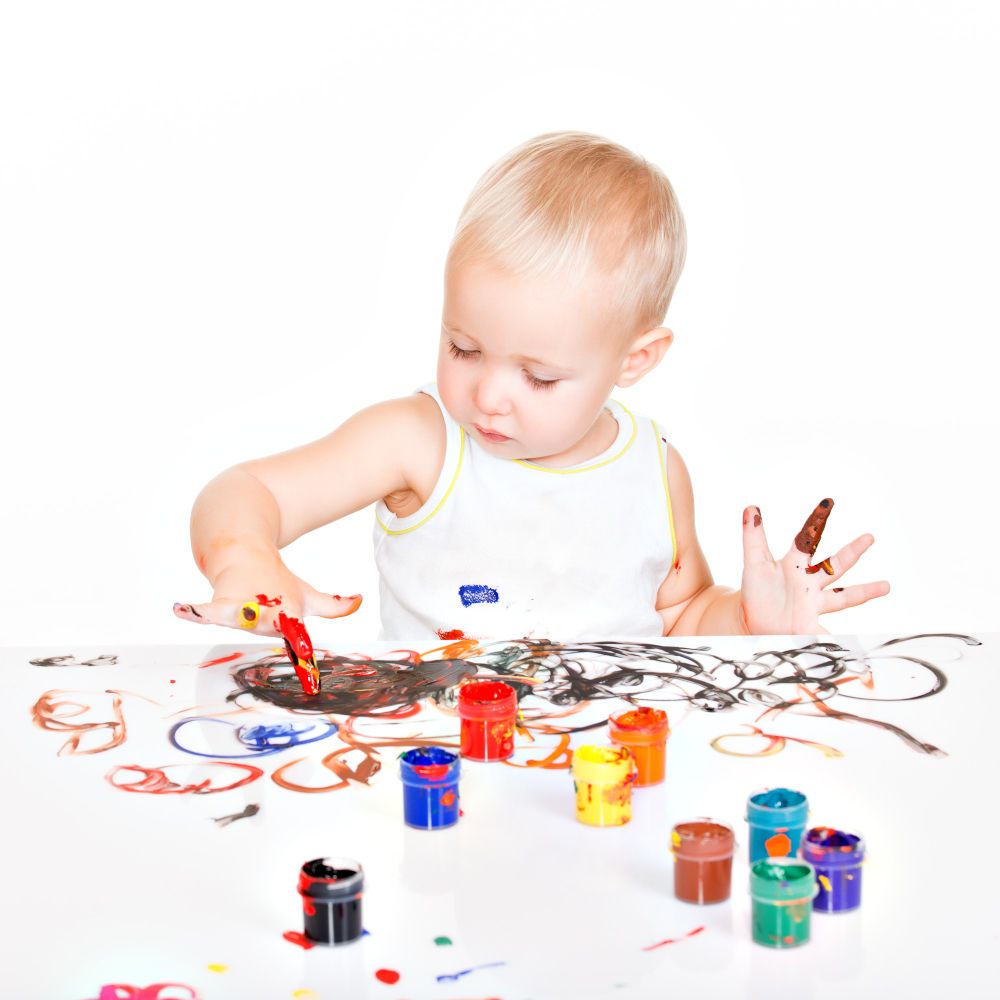
Fine motor skills are all about precision. They involve the small muscles of the hands, fingers, and wrists. These skills allow children to pick up small objects, hold crayons, turn pages, and feed themselves.
Fine motor skill is all about precision. They are caused by the tiny muscles in the hands, fingers and wrists. These activities are how children learn to pick up small objects, grasp crayons, turn pages and feed themselves.
Fine motor control is highly associated with learning. These little muscles are responsible for things like writing, drawing, cutting with scissors and using a knife or fork. Simple tasks can become overwhelming to a child that has fine motor coordination difficulties. When these skills are strong, children have a sense of competence and independence and are ready for school.
Why both skills must grow together
Children do not develop in isolated rooms. One child may have strong hands but be uncoordinated, another full of energy but have weak finger control. Both situations create challenges.
Gross motor skills are what allow children the stability and strength to sit, move, and interact with the world. Fine motor skills help them interact with that world in a detailed, controlled manner. Together, they make learning possible. A child, say, needs good posture and core strength to sit and write but also finger control to grip the pencil and form letters.
The best toys are those that naturally facilitate both types of development through play.
How toys help build motor skills
Children learn by action, not command. As they push, pull, tack, twist, throw or fit pieces, their brains are making connections that sharpen coordination and focus and help refine problem-solving.
Unlike screens, toys give children real feedback. A block falls if it is not balanced. A puzzle piece only fits in one place. A ball moves depending on how it is thrown. These experiences teach cause and effect while strengthening muscles and concentration.
This is why having a variety of age-appropriate toys matters so much.
Toys that support gross motor development
Some toys are meant to engage the whole body. Ride-on toys, push walkers, and pull-along toys encourage children to move, strengthening their legs and improving balance. Balls help kids learn to throw and catch, toss and roll, developing eye-hand coordination. Simple climbing and stepping toys improve spatial awareness and confidence.
These activities help children feel strong and capable, which is just as important as learning letters and numbers.
Toys that strengthen fine motor skills
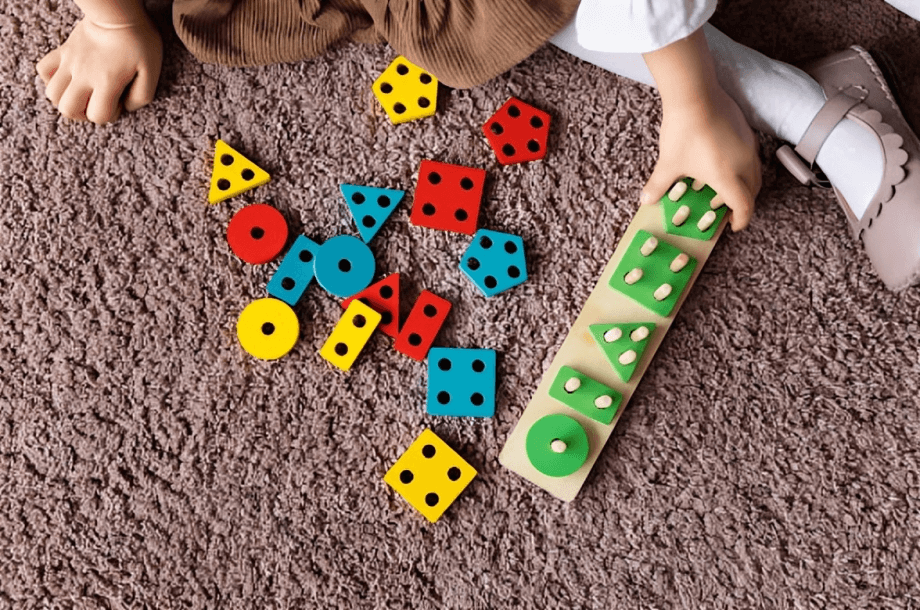
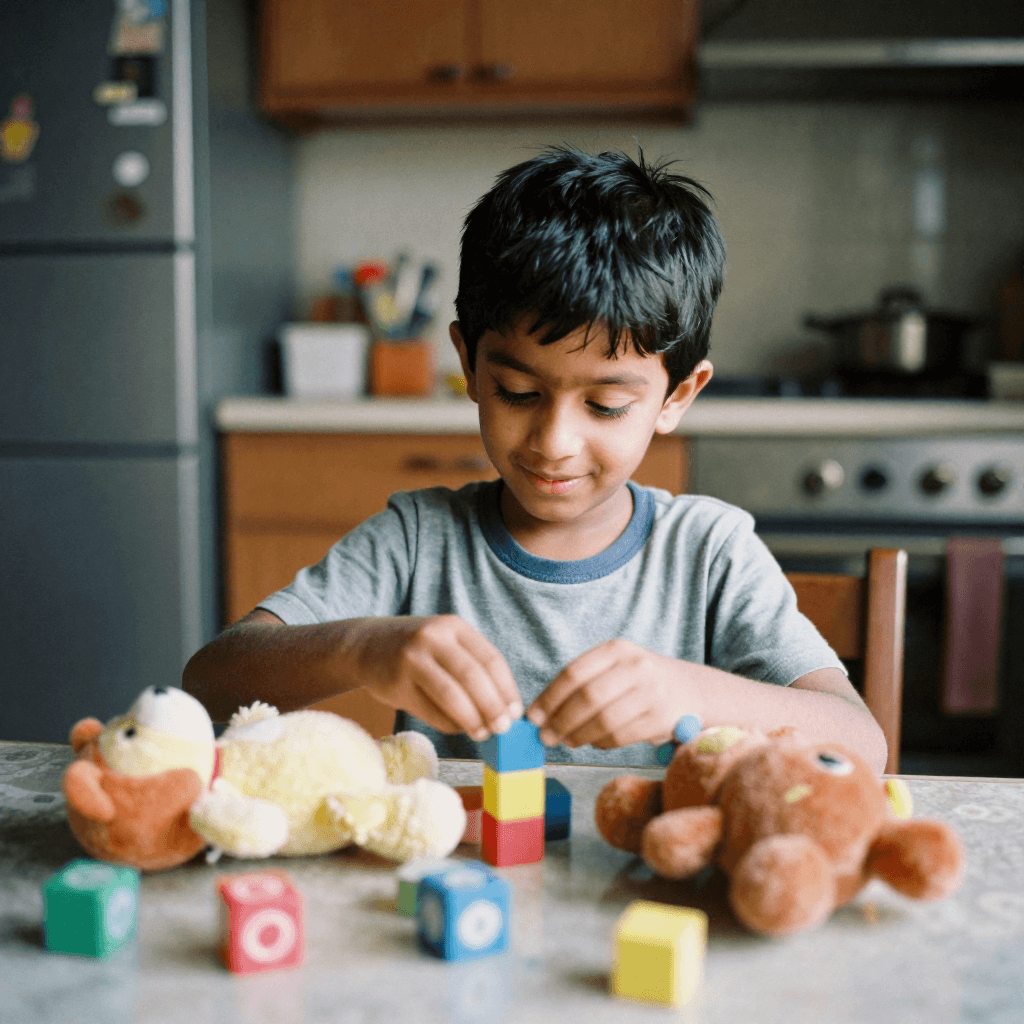
Other toys focus on hand and finger control. Blocks, puzzles, and shape sorters train children to grip, rotate, and place objects carefully. Threading and lacing toys build the same finger strength needed for writing. Even simple activities like turning pages in a board book or opening a toy help develop precision.
These toys quietly prepare children for school and daily independence.
Toys that do both
Some of the most valuable toys combine movement with control. Activity centres, meanwhile, get children to stand up, reach out and balance themselves as they turn knobs or sliding beads. Pull-along toys with shape sorting combine walking with problem-solving. Even simple obstacle courses that include crawling and stacking can develop full-body concentration.
These toys train the brain to connect large movements with small, precise actions, which is exactly how children learn best.
Why toy rotation is important
Children grow and change very quickly. A toy that challenges a one-year old may be boring for a two-year old. When toys stop being challenging, skill development slows down.
This is whytoy rotationis powerful. With the EleFant, parents can exchange toys whenever their child is ready for the next level. This means children always have access to toys that match their stage of development, without parents needing to constantly buy new ones.
New toys bring new challenges, and new challenges bring growth.
How the EleFant supports motor development
The concept behind the EleFant is simple: children need toys to grow up with. Rather than piling your household with outgrown toys, you get access to a huge, handpicked collection that helps children learn while they play.
Every toy is selected for its developmental value, safety, and quality. Parents can easily swap toys through the app, ensuring their child always has something new to explore, whether it be a balance toy for gross motor development or a puzzle for fine motor growth.
What parents begin to notice
When children get the right mix of movement and hand-based play, parents frequently see real changes. Children become more focused, more confident in their bodies, and more independent in daily tasks. They are less bored because they are always being gently challenged.
These changes don’t come from forcing learning—they come from play that is designed to support how children naturally grow.
Final Thoughts
Fine motor skills help children control their hands.
Gross motor skills help them control their bodies.
Together, they shape how children interact with the world.
By giving your child access to thoughtfully chosen, regularly rotated toys through the EleFant, you are supporting not just play, but lifelong learning and confidence.
Every small grip and every big movement is building the future.



![How to Raise Independent Kids [Complete Guide]](https://loved-acoustics-147b4c7c00.media.strapiapp.com/independent_1_updated_25b0f36d89.jpg)