


Quick Summary
Children today are growing up on reels and YouTube, where endless scrolling often replaces meaningful play. This blog explores how excessive screen consumption wastes valuable developmental time, exposes kids to age-inappropriate content, and impacts emotional growth—while offering practical ways parents can create a healthier balance without guilt.
Raising Kids in a Reels & YouTube Generation
Short-form videos, endless reels, autoplay YouTube recommendations, and algorithm-driven content have become a daily reality for children today. What began as occasional screen time has crept into hours of passive scrolling, making it time-consuming. For parents, that no longer just means limitingscreen time;it also means understanding what children are consuming and how much of their time is wasted, and worrying not just about the kind of learning taking place when they are young but also about the degree to which that matters.
Raising kids in a reels-and-YouTube generation requires conscious effort, intention, and balance. The concern is not technology advancement itself, but rather unmonitored accessibility, age-inappropriate learning, and the loss of meaningful play, creativity, and real-world skill development.
This blog addresses the damaging effect of excessive consumption of reels and YouTube on children, why it deprives them of age-appropriate learning, and recommends what parents can do to develop healthy habits without being guilty.
The rise of bite-sized entertainment for kids
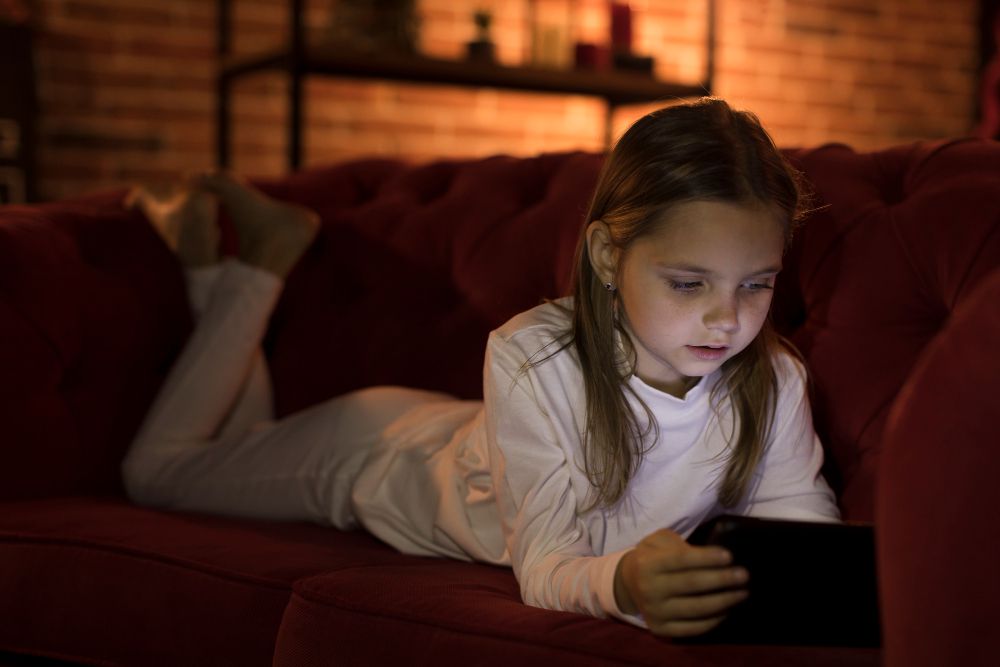
Reels and YouTube shorts are made to grab your attention immediately. Fast cuts, bright visuals, trending music, and emotionally charged content keep children hooked. Unlike traditional cartoons or educational shows that have a clear beginning and end, short-form content creates a loop that keeps kids watching without realising how much time has passed.
Children are vulnerable as their brains are the least developed. And they are naturally drawn to novelty and quick reward. Algorithms are rapidly discovering what keeps a child glued to the screen and feeding them more of the same, regardless of whether it’s age-appropriate or whether it enables advancements in learning.
Hours of screen exposure every day can feel like “just a few minutes.”
Time wasted vs time invested
The biggest concern for parents is not actually just screen time, but the quality of it. Most of the time, children spend on reels, and YouTube is passive. They are not making, building, solving or imagining. They are simply consuming.
This leads to:
- Short attention span
- Difficulty engaging in offline activities
- Less interest in books, puzzles, and creative play
- Increased dependency on screens for entertainment
The time that could have been devoted to something constructive, such as reading or pretending, moving around or thinking, is quietly taken over by endless scrolling. This wreaks havoc on a child’s development over months or years.
Inappropriate learning at a young age
One of the most alarming effects of unrestricted access to reels and YouTube is early exposure to concepts that children are not emotionally or mentally ready to process.
Many popular videos include:
- Adult humour disguised as comedy
- Inappropriate language or behaviour, such as biting or hitting.
- Aggressive language or gestures
- Unrealistic lifestyle portrayals
- Easy exposure to dating, pranks, or conflicts
Kids absorb far more than many parents imagine. However, they don’t need to understand anyway – repetition is what embeds behaviour, language, and attitudes.
This can result in:
- Repeating inappropriate words or actions
- Developing unrealistic expectations
- Inability to distinguish between real life and reel life
- Emotional responses they cannot explain
Learning too much, too early, isn’t progress. It can also lead to anxiety, confusion and behavioural issues down the line.
The illusion of educational content
Many parents prefer YouTube because it sounds educational. There’s great material out there, but there are also things that appear to be educational entertainment but offer little in the way of content.
Alphabet songs lead to unrelated videos. Learning videos autoplay prank content. Educators are teaming up with trend-following influencers. The boundary between education and entertainment blurs fast.
Children may appear engaged, but real learning requires:
- Interaction
- Repetition with purpose
- Hands-on experience
- Age-appropriate challenges
A child who watches videos about colours or numbers is not doing anything even remotely comparable to playing with blocks, sorting puzzles, or solving simple real-world problems.
Impact on emotional and social development
Excessive screen consumption also affects emotional growth. Children who spend too much time watching reels and YouTube often struggle with:
- Emotional regulation
- Patience
- Handling boredom
- Social interaction
Short videos create instant gratification. When real life fails to offer up the same pace and excitement, children feel frustrated or disengaged.
Sharing, negotiation, and conflict resolution are learnt through play. Screens replace these experiences with one-sided interactions in which children observe but do not participate.
Why parents feel stuck
Most parents are aware of these challenges, yet feel stuck.
Busy schedules, work pressure, household responsibilities, and limited support systems make screens feel like an easy solution. Reels and YouTube provide calm, predictability, and a few moments without interruption.
You can’t conclude that parents who choose screens are being neglectful. It means they are tired and trying their best.
The problem isn’t screen use, it’s screen dependence.
Creating healthier screen boundaries
Completely eliminating screens is unrealistic in today’s world. The goal is balance and intentional use.
Some practical steps include:
- Setting fixed screen time windows
- Avoiding reels and shorts for young children
- Selecting long-form, age-appropriate content
- Watching together whenever possible
- Discussing what children see
Most importantly, screens should never be a substitute for play. They’re also meant to complement – not dominate a child’s life.
The power of meaningful play
Play is not a break from learning. It is how young children learn the best.
Through play, children develop:
- Creativity
- Problem-solving skills
- Emotional intelligence
- Motor skills
- Self-esteem
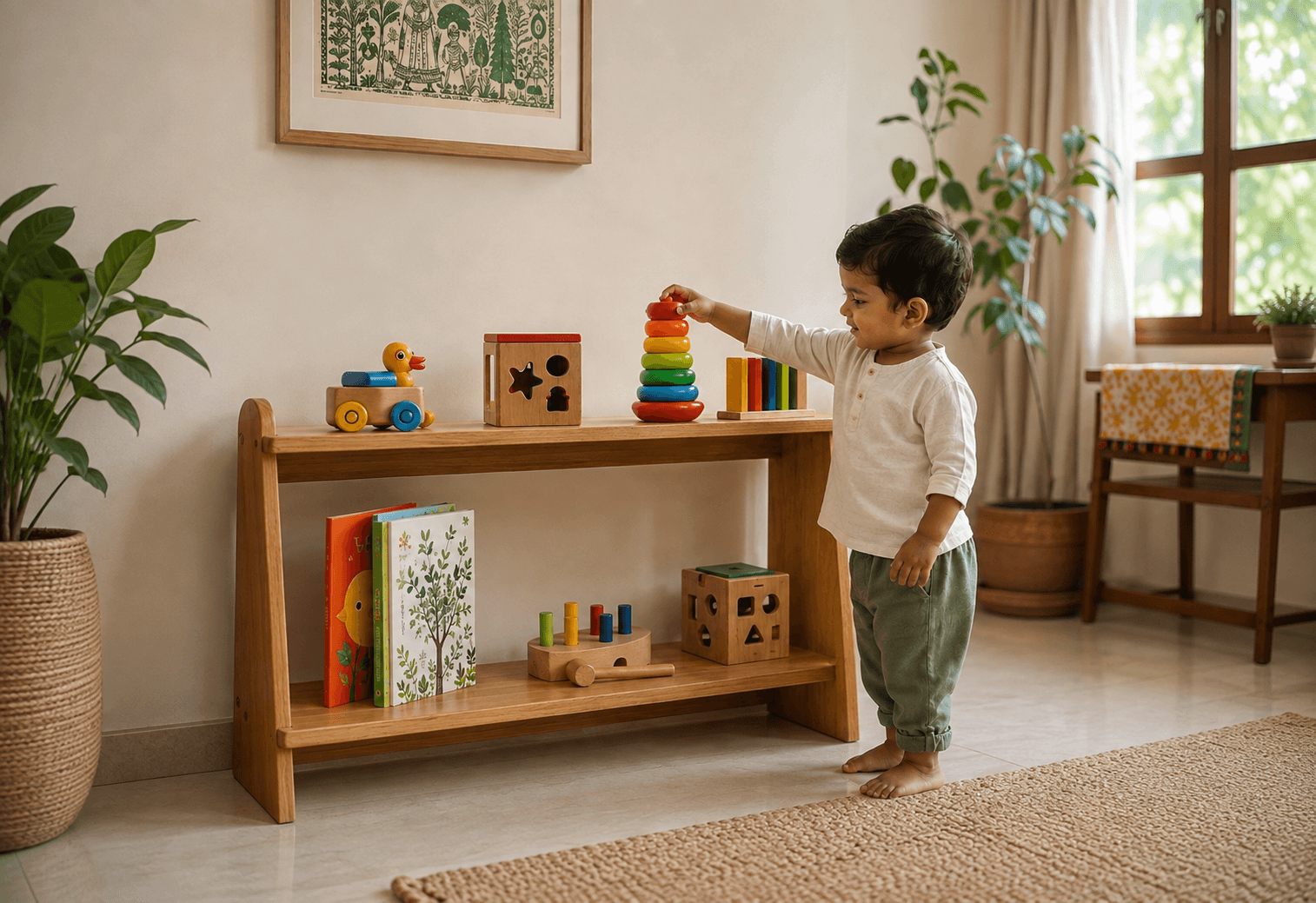
Open-ended toys, puzzles, pretend play, and hands-on activities allow children to explore at their own pace without overstimulation.
Offering better alternatives to reels
Instead of being obsessed only with what to take away, parents should concentrate on finding ways to replace screens. Byexchanging toysand introducing age-appropriate challenges, there is always something new to capture a child’s curiosity. Newness doesn’t have to be strictly by screen.
Children crave new experiences. When they build that excitement in real-world play, screens lose their power.
Teaching digital awareness early
As kids get older, the whole digital platform world becomes impossible. Teaching awareness is key.
Parents can gradually help children understand:
- Not everything on the internet is true
- Videos are made to be watched
- Some things aren’t meant for kids
- Time limits should be respected
This cultivates long-term digital accountability instead of fear or rebellion.
Building a balanced daily routine
A well-structured day naturally limits excessive screen use.
An ideal routine includes:
- Active play
- Free play
- Art time
- Rest time
- Limited, intentional screen exposure
When children know what to expect, they rely less on screens for stimulation.
Final Words
Raising kids in a real and YouTube era is one of the definingparenting challengesof our time. The fear is not tech, but wasted time on passive absorption and premature access to age-inappropriate learning.
Children don’t have to be entertained around the clock. They crave engagement, exploration, and experiences that correspond to their stage of development.
Through thoughtful limit-setting, meaningful alternatives, and a focus on play rather than scrolling, parents can empower their children to become curious, confident people who use technology rather than depend on it.
The goal is not to fight screens, but to ensure they never replace childhood itself.